
Getting Found in a Book
Why we're all so nostalgic for the sound of our own voice


As a child of the 80’s and 90’s, I feel a bit reticent to write about nostalgia for a bygone analog age for fear of sounding like a wistful elder who thinks things were better in her time and wants all the young people to get off her lawn. But, I am deeply moved by the ways that young people are also nostalgic for this time from before they were alive. Graduation ceremonies are full of seniors booing speakers who expound the virtues of AI, young kids are asking Santa for cassette players and CD boomboxes, and Gen Z is leaving social media platforms as part of a “digital detox” to save their personal relationships and mental health. Flip phones and even landlines are becoming trendy, and I saw a news report about a group of moms who set up all of their tween daughters with landline phones so they could talk to each other that way.
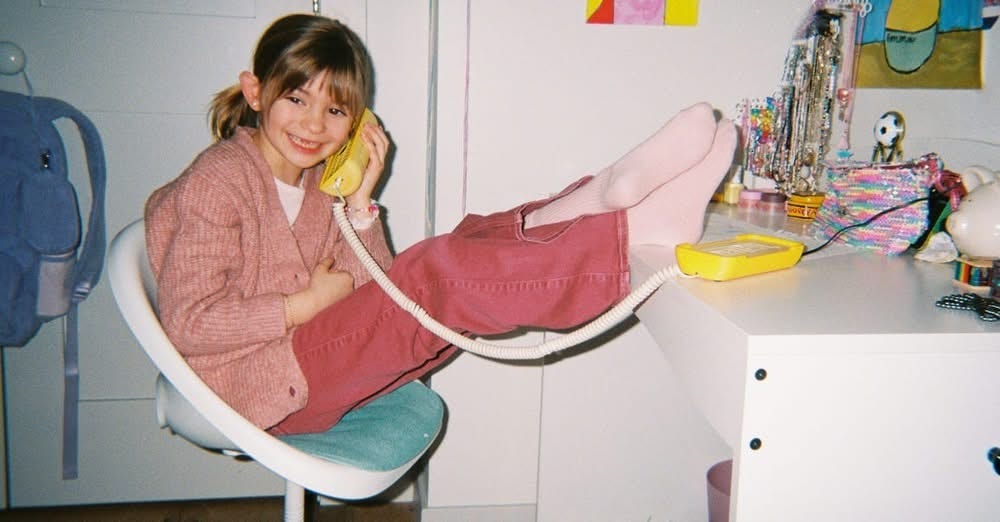
It might be easy to dismiss this as a retro trend or a new hipster movement for people who want to seem cool by rediscovering what has been forgotten, but I believe there is something profound happening beyond baggy jeans and old school headphones. I think everyone is realizing that they can’t hear their own voice anymore, and the miracle is that they realize that is a problem. It’s difficult to believe that humans can long for something outside of the mediated world that has been created for them. Like the character who volunteers to go back into the fake world of The Matrix from the 1999 movie depicting a dystopian future world run by machines, technology has certainly given us reasons to stay plugged in and out of touch with ourselves.
Technology has provided many ways to escape hearing our own thoughts, and two that I think are particularly effective: mindless activity and other people’s voices. Please don’t get me wrong, I enjoy both of these things in moderation, but I think they deserve a closer inspection for the harm that they can cause when unchecked and out of balance.
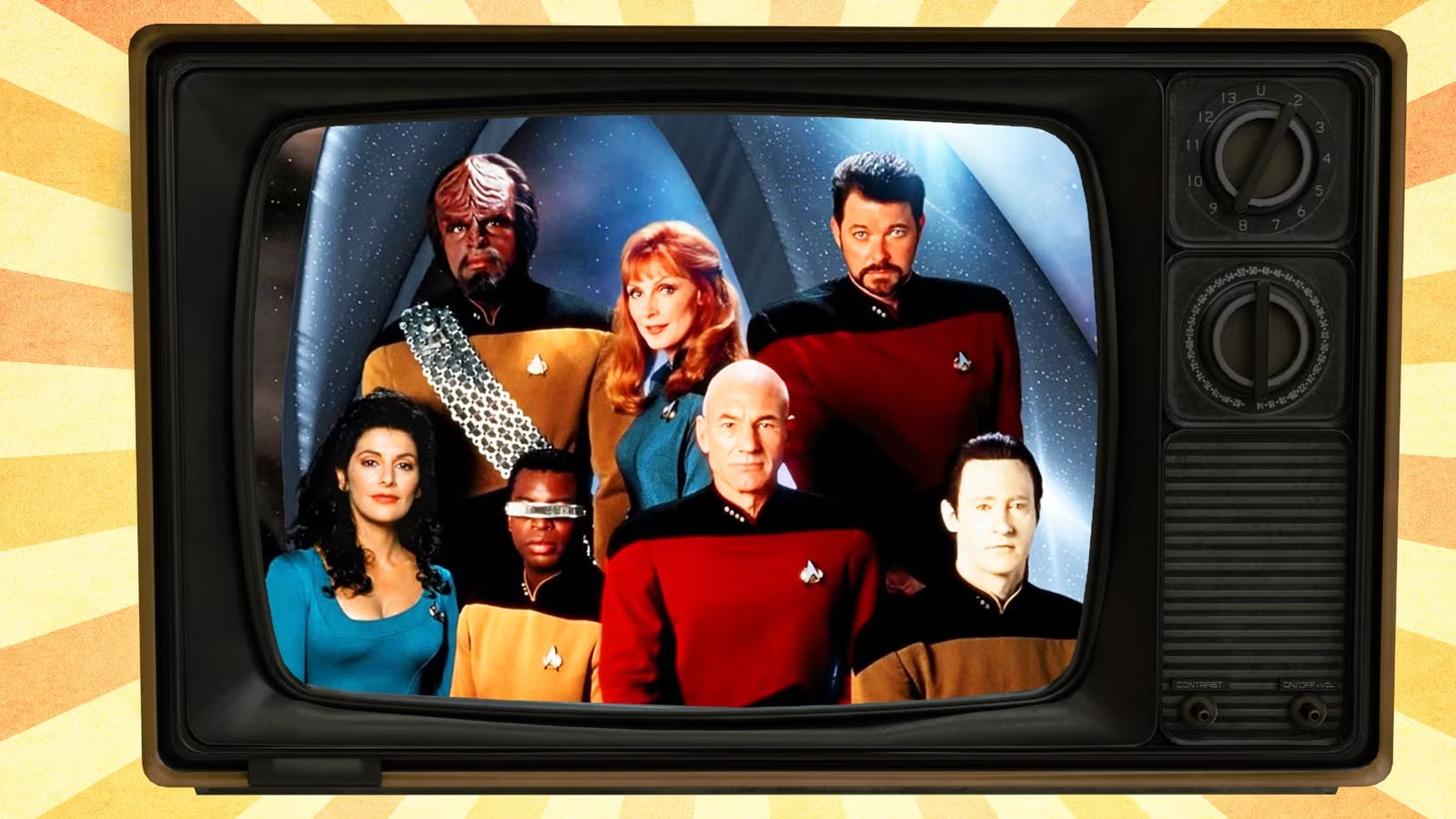
I am often grateful for entertainment that takes me away from my anxious thoughts. I love puppy videos, games on my phone, and being pacified by scrolling through pretty images and silly dances. The on-demand ability to go down rabbit holes of “research” on any ridiculous topic or watch whatever streaming show or movie at any time feels like something out of a Science Fiction utopia. I used to love watching Star Trek: The Next Generation and was blown away by the way they could just ask “Computer” to play any entertainment or give any information desired. I never dreamed we would all have Siri do this for us just a few decades later. Not only do I have no excuse to be bored, but I actually feel guilty when I do because I’ve let myself down from being my own 24-hour entertainment director. If I feel this way, as a middle-aged lady, can you imagine how kids are made to feel?
And then there are the other voices. And, this is the part that feels like even more of a duty to engage. There are endless amounts of texts and emails that must be responded to, and you can’t ever be away from your phone. Remember answering machines? “I’m sorry I’m away from the phone right now…” was your message, and even if you weren’t away from your phone, who knew? You could screen your calls! Now, you’re rude, or a bad friend, or a negligent employee if you’re not listening to other people’s concerns, needs, or ideas on demand. Not only are we expected to have phones in pockets at all times, but now there’s watches so that we can get messages without having to reach into our purses. These are people we feel a commitment to because they are humans in our ever-growing and expanding communities, but there are also the voices of our parasocial relationships. These are the podcasts, YouTube personalities, and influencers which we go to to make sure we are not making a mistake, or are mad at the right people, and aren’t missing out on what we should know or care about.
Again, I want to be clear that I love many of these voices. I have a well-curated list of people that I think deserve my focused attention. Substack has been an absolute joy because of the incredible voices that I hear from as I read spectacular writing, watch podcasts, and respond to comments. And, I hope that I am a helpful voice to all of you reading this now. My concern is that we have so many other voices that we sometimes stop hearing our own. We doubt our ability to figure out a difficult task, synthesize information, discern, problem-solve, or understand without other people explaining how we should approach everything. It’s not that we never had entertainment or other people’s thoughts before; it’s just that they had limits and boundaries that allowed us to balance distractions (good and bad) with our own time and ideas.
When I was 13, and I broke my ankle at the very start of summer break, my mom handed me a copy of Charlotte Brontë’s Jane Eyre. It was 532 pages long, but she knew I’d need something to keep me occupied because there just wasn’t too much to do sitting on the couch with my leg in a cast. TV wasn’t on demand and had a ton of commercials, so there might really be nothing worth watching. Movies had to be rented at a store, songs had to be purchased at a store, or listened to with commercials on the radio. We had a typewriter, and not yet a home computer, which would come in a year or two, but even then, it would have dial-up internet, no social media, no apps, and no videos.
I still walked around the house like Max from Stranger Things with my Sony Walkman playing 24-hour music from my favorite tapes, and there were VHS tapes I watched daily, but there was still always downtime. There was time and space for the gift of boredom. I cross-stitched, chased neighbors around the block, and played board games with my family, and there was still time. The gift of time. And in that boredom and time, I could hear myself think. And, maybe counterintuitively, one of the things I did to hear myself think was read.
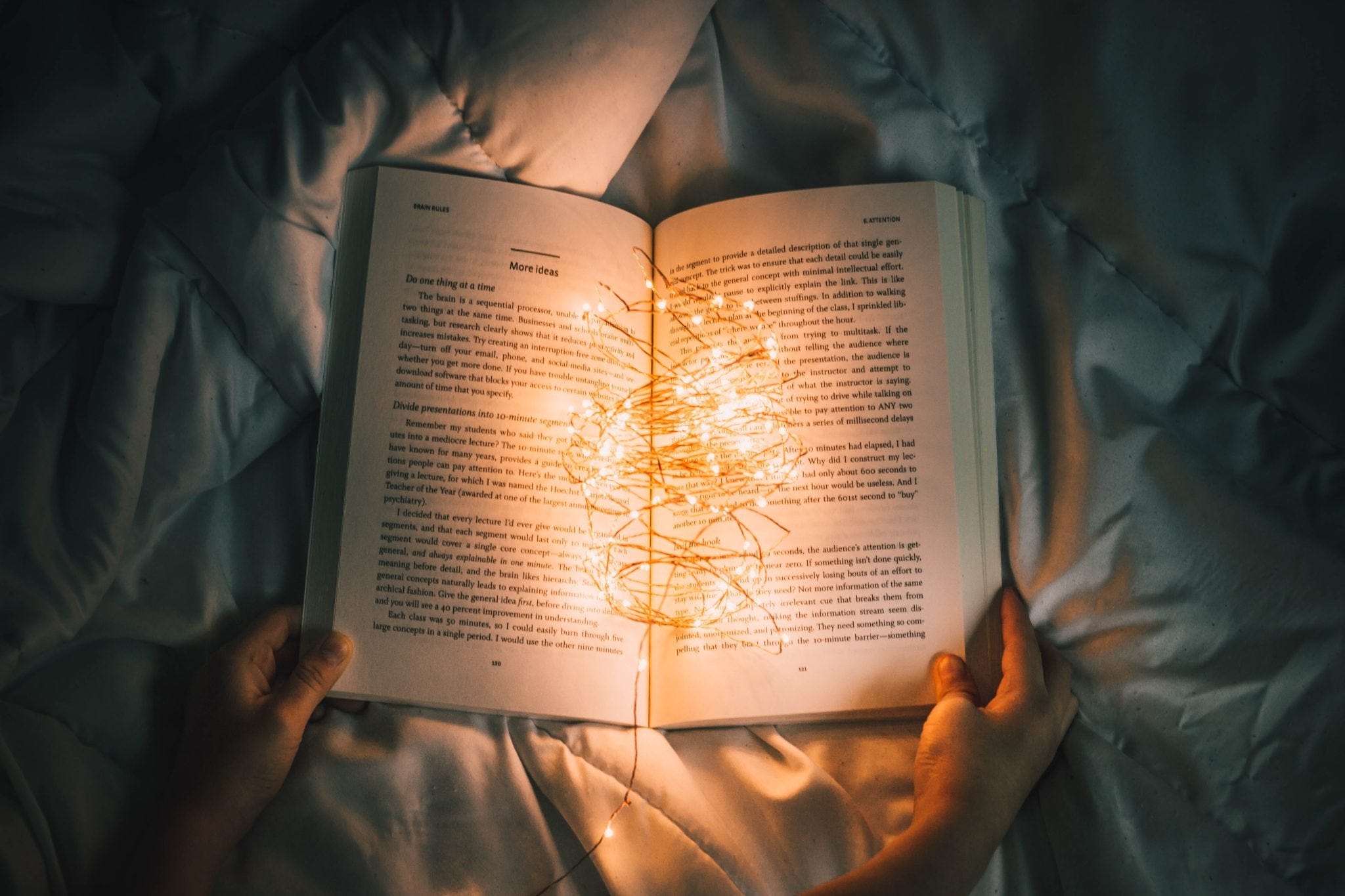
I say it is counterintuitive to think that reading is all that different from mediated technology because books are also entertaining, and technically someone else’s voice. It would make sense to assume that Charlotte Brontë’s voice was playing the same role as technological distraction does now, but books really are different. If it is a hardcopy or ebook (on a device that doesn’t have internet - I love my Kobo), then you are actually invited to sit down and fully give your attention to the words on the page. Your brain then uses your own inner voice to read the words to yourself and then creates images that you chose to illustrate what the words are describing. You are in a discussion with the author, but you are also ultimately in control of what you will do with what the author is sharing with you. This is still true if it’s an audiobook. Yes, you can drive or do the dishes, but you are still being focused by your own voice to make sense of the story being told.
For instance, the author will tell you about a character’s actions and you get to decide how you feel about the character. You also get to decide how they look, and sound, and feel. You step into the character’s skin and lend them your feelings, but also step outside and decide how you are different from the character. You get to guess what will happen, make connections, synthesize information, follow timelines, and translate literary devices without anyone else telling you what to think or telling you it’s too hard or boring to try.
If it’s a memoir or non-fiction audiobook, there may be some similarities to a podcast or YouTube essay, but it’s still being told in such a way that you are getting to decide what you think of the actions being taken by the narrator or the information they are presenting. Often, podcasts or videos feature people who want to tell us about a particular issue while deciding what they think we need to know, how they think we should feel, and putting it in a package or formated discussion that we are consuming as spectators. They are also often interrupted by commercials that remind you are consuming the content which a book never does. I love all the people on Substack who say the best thing about a book is that there are no ads! This isn’t just less annoying, it actually changes your relationship to the material. You’re not consuming, you’re creating. A book is a story that we are allowed to walk through over days or weeks, and we are allowed to judge what we believe is right or true as we mull over the words, re-read, and compare information to our lived experiences and deeply held values. Books empower and equip us with information that makes us wiser, and they entertain in the sense that a person would entertain you at a dinner table. Even the siliest book that is pure entertainment is slowing down your nervous system as the act of reading is calming for your body and mind. You are being allowed to truly relax instead of simply being diverted or distracted.
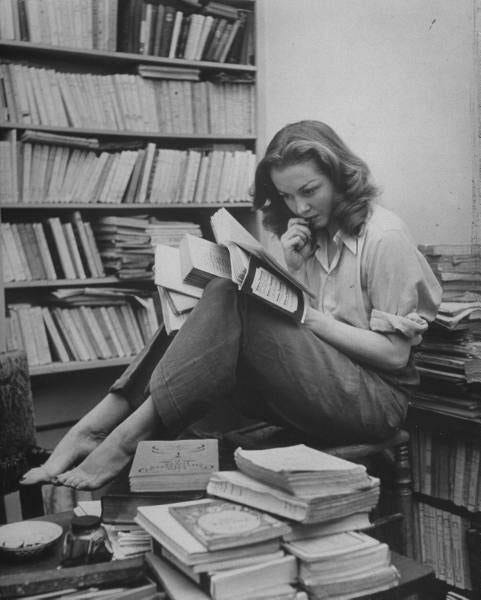
And, books remind you that you know how to get and find information that is worthwhile and then you have the power and discernment to discard the rest. For example, when I was in school I had to go to the library to research all of my papers. I got to decide if a book was helpful or not worth the time and effort to read it. I knew exactly who was giving me the information, and I was empowered to seek the perfect quotes or statistics. Now I can ask my phone to tell me what something is or means without asking myself if the information is coming from a reliable source, is complete, is correct, is controverted, or is even worth knowing. I doubt myself when someone asks me a question about a factual matter or even question of opinion. When people ask for book recommendations, I tell them what someone else told me before I’ve even read the book to know if I agree or disagree with their assessment. The idea that books draw us closer to ourselves is what makes them such gifts in a time when we are being cut off from our own minds and hearts. I love this picture of a woman with her sleeves rolled up, barefoot, and cocooned in a cave of books. It gives me the feeling that I think we are all craving which is to be physically grounded, rooted, protected, and engaged away from the noise and allowed to create and explore a world of our own. People say that you can get lost in a good book, and that is true, but I also feel sure that you can be found there too.
The books I return to most aren't necessarily the ones that helped me escape for a few hours. They're the ones that changed the way I notice the world. Thank you for sharing this. I really enjoyed reading it.
This is great. I’ve had more free time lately, and have rediscovered my joy of reading. I’m an English teacher, so most of my reading during the school year is for educational purposes—how can I use this? How can this benefit students? But since joining Substack, I’m finding so much joy in reading people’s stuff! And it inspires me and sparks my creativity.
Hey, here’s a word I learned a few months ago: Anemoia: nostalgia for a time you didn’t live in.