
Join or Die
The revolution will not be AI-Generated.

In 2023, my mom and I went to see a showing of the documentary Join or Die, based on the work of the renowned social scientist, Robert Putnam. My mom is a retired university professor who is largely responsible for my early attachment to story in every form: literature, theater, film, and television. She has also studied, written, and taught about the ways that technology, consumerism, and media often negatively affect organic, human community. Much of the work behind “Books May Save Us” comes out of my early training that stories and human relationships are healing many of the social ills that have detrimental impacts on our lives. And, watching this documentary she and I were both encouraged by the research that bears this out.
The movie described the way that Robert Putnam, and many others, prophetically warned of the current loneliness epidemic, tribalism from distrust of each other, a lack of involvement in spiritual, social, and political community, and a breakdown of social capital. What struck me is that Putnam had been writing about this issue of social disconnection since the late 60’s, and his famous book, Bowling Alone: The Collapse and Revival of American Community, came out in 2000. That was before the pandemic, most social media, and the “AI revolution.” People were already leaving houses of worship, civic organizations, clubs, and other communities in droves before we started having to stay apart from each other for safety, started working and learning at home, were encouraged to engage on social media rather than in life, and being told that we were replaceable by machines that can imitate much of what makes us unique or special.
This situation is leading to truly dire consequences for how we engage with each other, if we do at all. And, the stakes are high. The documentary is so named because of some of the statistics that show the personal and societal health effects of building and joining community organizations and efforts.
For example, The Surgeon General reported that the US’s current epidemic of loneliness is as deadly as smoking 15 cigarettes a day. Experiencing genuine social connections, however, reduces your risk of dying this year by half.
Not only do communities help individuals live longer, but they also help the world flourish more fully. People are more likely to get involved in making things better, showing up to vote, care for the sick, give each other work, and stop being violent if they know, trust, and care about their neighbors. And, this is where books really may save us.
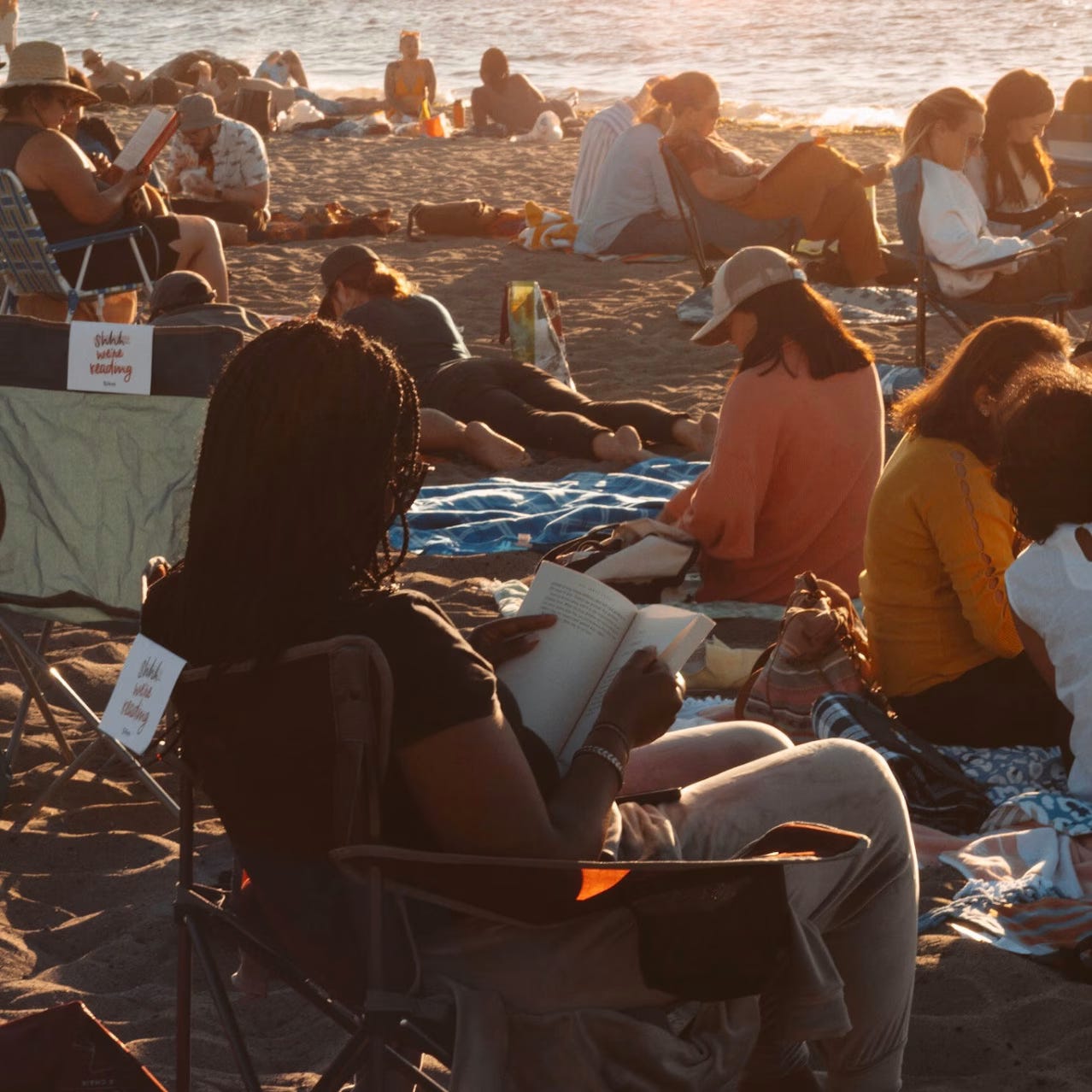
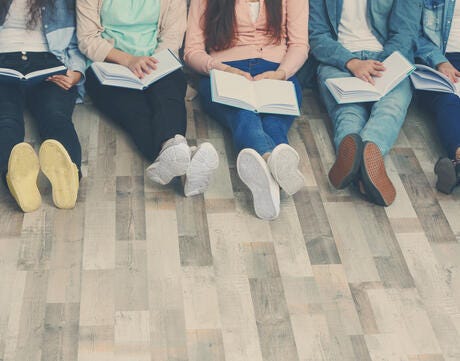
The picture at the top of this article is from one of many “silent book club” meetings around the nation. On the website for Silent Book Club, (https://silentbook.club/pages/about-us) there is this description: “Silent Book Club is a global community of readers with 2,000 chapters in 60+ countries. There’s no assigned reading — it’s bring your own book. More than a million members gather in person, online, and in destinations around the world to read together and swap stories. All readers are welcome!”
This incredible idea of welcoming people to join up and silently read together is based on research that shows that being with others and reading both calm our nervous systems, lessen anxiety and loneliness, and increase our focus by diminishing multitasking and burnout.
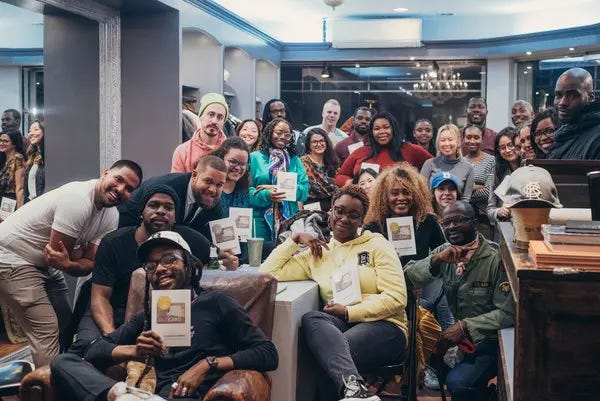
In a Rolling Stone article about a group called Reading Rhythms, called “Are Reading Parties the New Wellness Activity for Creative Leaders? A designated time and place to read in communion with others could be a valuable tool for creative leaders working to mitigate burnout,” Chris Schembra wrote:
I’m busy as heck and constantly going from task to task. The event was structured into multiple 30-minute silent reading blocks, fostering mono-tasking and mindfulness. This was a stark contrast to the multitasking that often hampers our focus, creativity, and well-being. In these moments of solitude, I found myself deeply engaged with my book. A study by the University of Sussex suggests that multitasking, especially with our electronic devices, can reduce cognitive capacity and mental well-being. I looked around and nobody was on their phones. A study conducted by the University of Minnesota found that reading for even just six minutes can reduce stress levels by up to 68%, making it more effective than listening to music or going for a walk.
He also wrote about the way that his group was encouraged to read silently together with chill music, drink, and a cozy environment, and then to also have time to debrief with each other about their books. The activity of reading and discussing books with others offers opportunities for people, both introverted and extroverted, to connect to others in a safe and calm environment. The website for this group is here: https://readingrhythms.co/
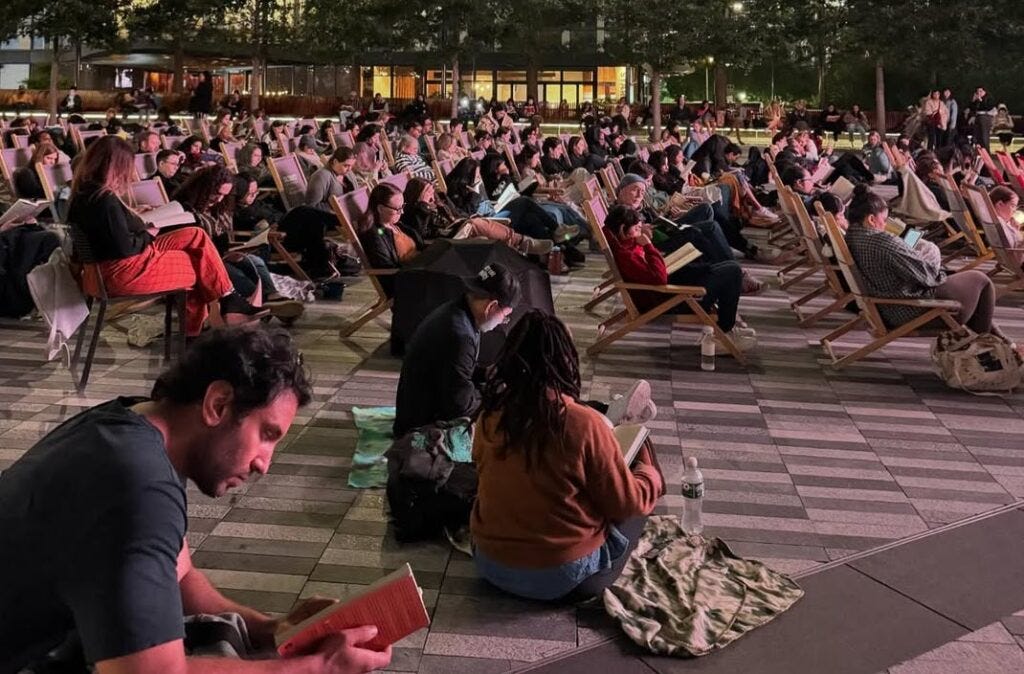
Audry Fryer from Bookish AF also wrote a great article with an exciting list of different reading retreats that are being offered all over the world, and she even included book recommendations for taking with you to each one. I highly recommend taking a look at the link below, and thinking about a group trip with friends who also love to read and need a chance to connect to each other and be healed by decompressing with books.

By now, nearly every romantic bookworm has been swept off their feet by the story of the meet cute of Dua Lipa and her husband, Callum Turner. Dua Lipa has her own popular book club and was reading the same book as Turner when they saw each other in a cafe and realized that they had finished the same chapter at the same time. He very suavely said that it showed they “were on the same page.” Swoon-worthy and also inspiring. There are many opportunities for meeting people at reading groups - some at the park, beach, library, or bookstore. I’ve had many friends who were frustrated with dating apps and this seems like a much better way to meet someone!
These book clubs are also popping up in tons of independent bookstores around the world. And, this opportunity to join a community in addition to shopping, means that there is a pushback against consumerism which tells us what we should want, and AI algorithms that send us insistent ads, as we are allowed to seek out books and goods that support a habit we are actually practicing in community. The addition of these groups has helped independent bookstores to be on the rise. 422 brand new independent bookstores were opened just last year and they have grown by 70% nationwide since 2020
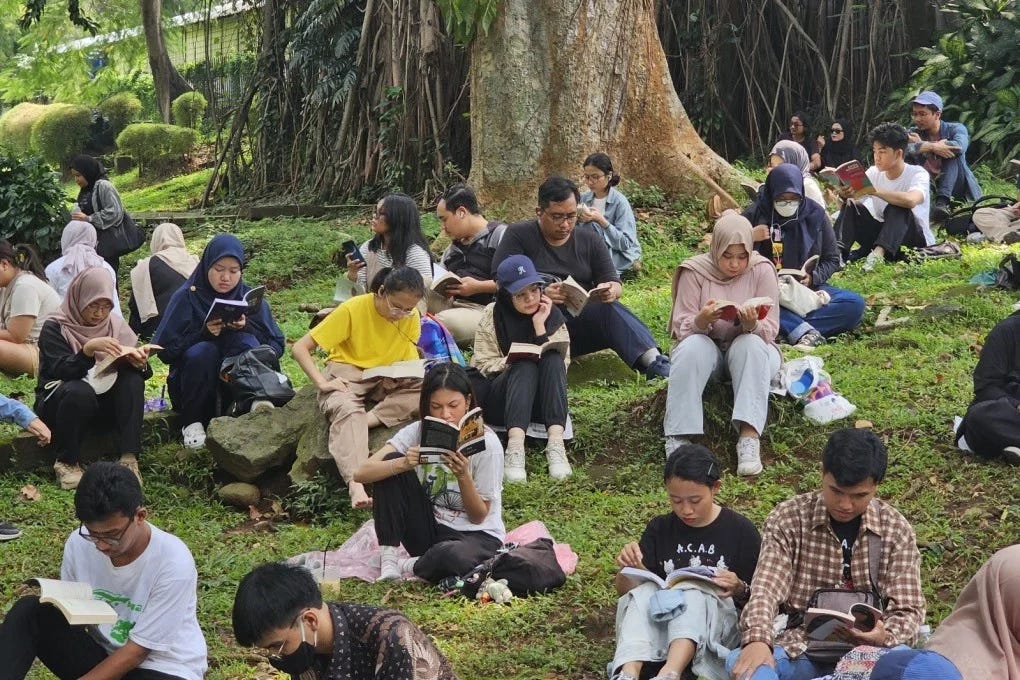
This feels in sharp contrast to all of the very real concerns about lower reading scores for students and lower interest in reading for pleasure across the board. I would argue that this is also where reading in groups can be a huge helper in increasing literacy and a passion for reading. As a teacher, some of my most exciting times in the classroom have come during SSR (Silent Sustained Reading) activities. School libraries are so crucial in giving students access to free options to try out different books and figure out what really speaks to them. I’ve seen students swear they are not readers or don’t like reading who have become obsessed with certain genres or series or authors. We read together silently (me too to provide a model for them), and they sit on the floor and share a snack and silently read for up to 40 minutes at a time. Then we have book conferences where they tell me about what they are reading. During the pandemic, when I taught on Zoom and often had to beg students to stay on screen and engaged, these book talks were ways they wanted to stay connected. We gave each other recommendations and even lent each other books from home.
It often feels like there is so little time in the school day, and libraries are closing in many schools to make room for tech spaces, but we have to fight for these opportunities and resources for students.
Book clubs among friends, in churches, and in schools all provide the double benefit of community and reading. We are all so tired, burned out, overwhelmed, and overcommitted, but this is not often because we are part of communities or activities that actually benefit us or reward us for our trouble. We are often told that self-care is up to us alone and then we wonder why everyone “wants a village, but doesn’t want to be a villager.” We’re told to be scared of how overwhelming other people are, and then we wonder why we see a huge rise in social anxiety. We lose “third spaces” to be together and are told to go online, and we lose the qualities that we naturally have so that those things can be sold back to us by companies manufacturing happiness. And, we are told that AI is the revolution. Well, I think that people are the revolution. And, the more we are told to disconnect, and hide, and distrust, the harder we should be human. And, what can be more forcefully human than doing something that we’ve been doing for hundreds of years? Let’s all grab a book, and a friend, and decide to join not die!
I want to add two final thoughts:
Substack has been an opportunity for me to join a community who loves books, and it is not an overstatement to say that it has changed my life, and I’m so grateful for you all!
I recognize the disturbing irony of having this article read by the Substack AI option as I haven’t learned how to do my own voiceover yet. But, this has lit a fire under me, and I am working on it right now so that I can do my own voiceovers very soon!
Thank you for reading and for your support!
I loved this. 💛 Books and community are such a powerful combination. Stories have such a beautiful way of helping us connect with one another. 📚✨
Thank you for this, Erin! I really needed to read this 🙏🙌🏼🫶🏼